Balance
Treat Yourself, Solo Show
The HeArts Gallery, Torbay Hospital
31st Jan - 1st April 2025
& The Projection Room, Paignton
27th - 28th Febraruy 2025
What does it mean to hold both a “healthy” diet and a “healthy” relationship with food and exercise, and how, as a parent, are you meant to foster these in your child when you are still navigating them yourself?
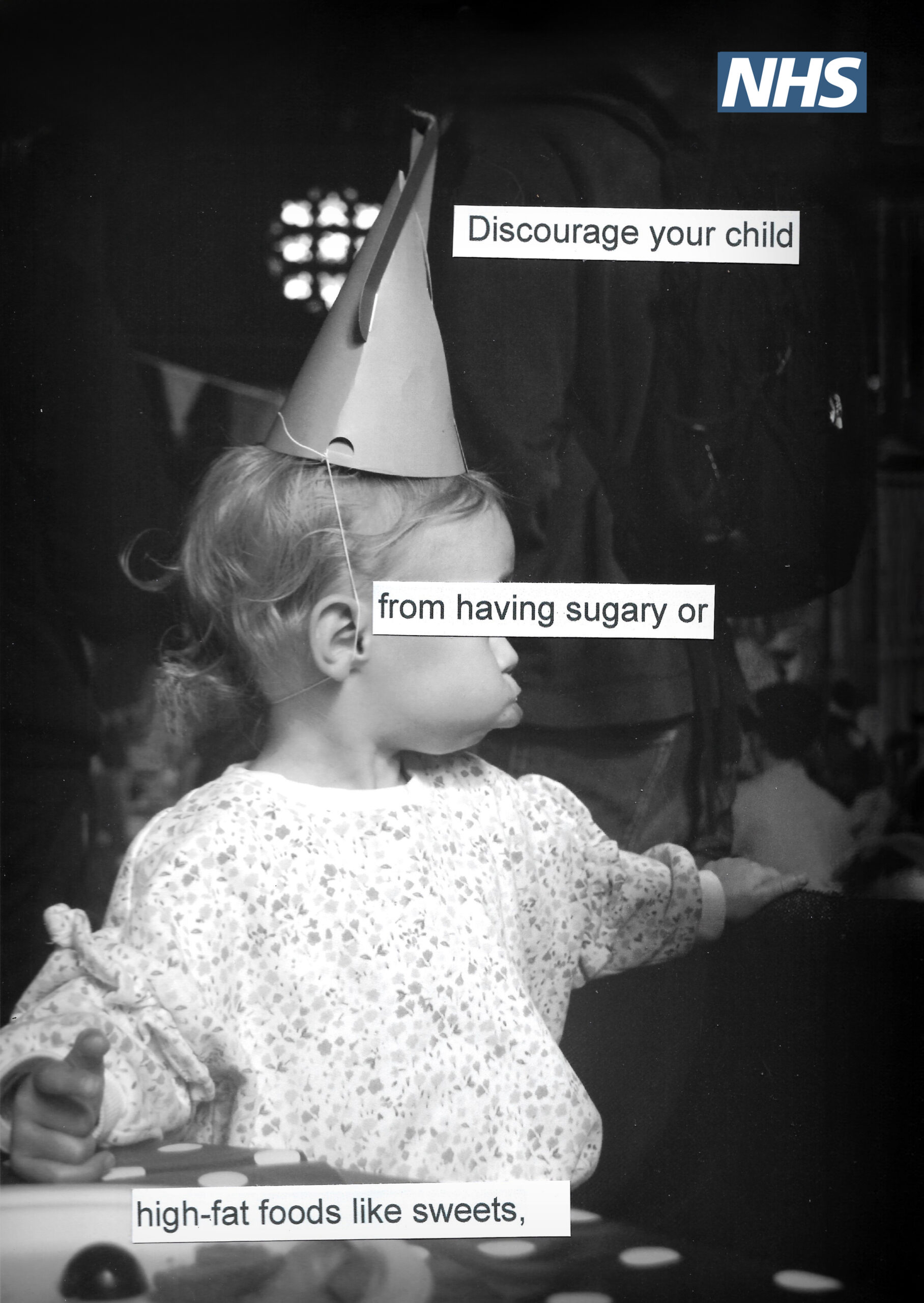
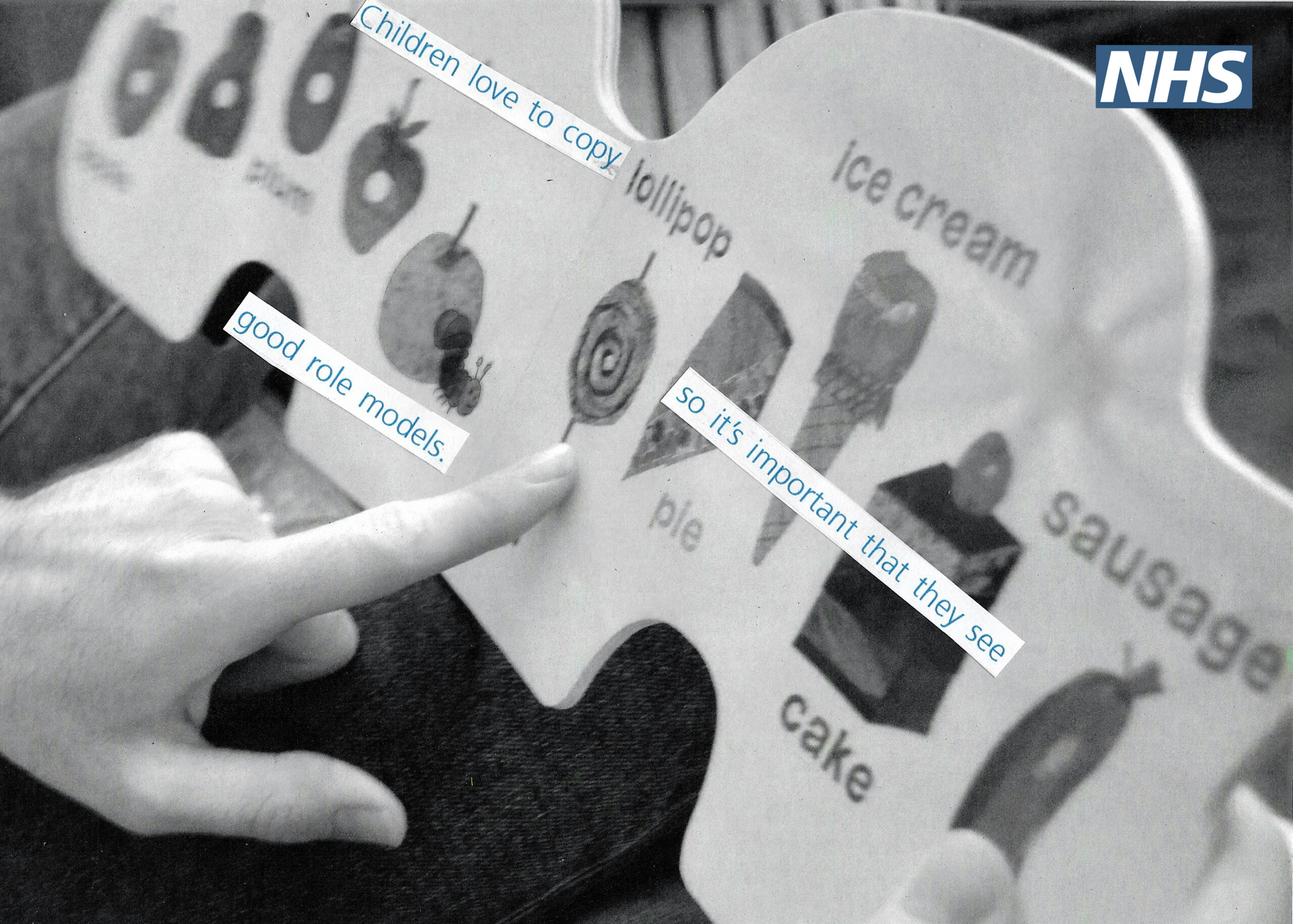
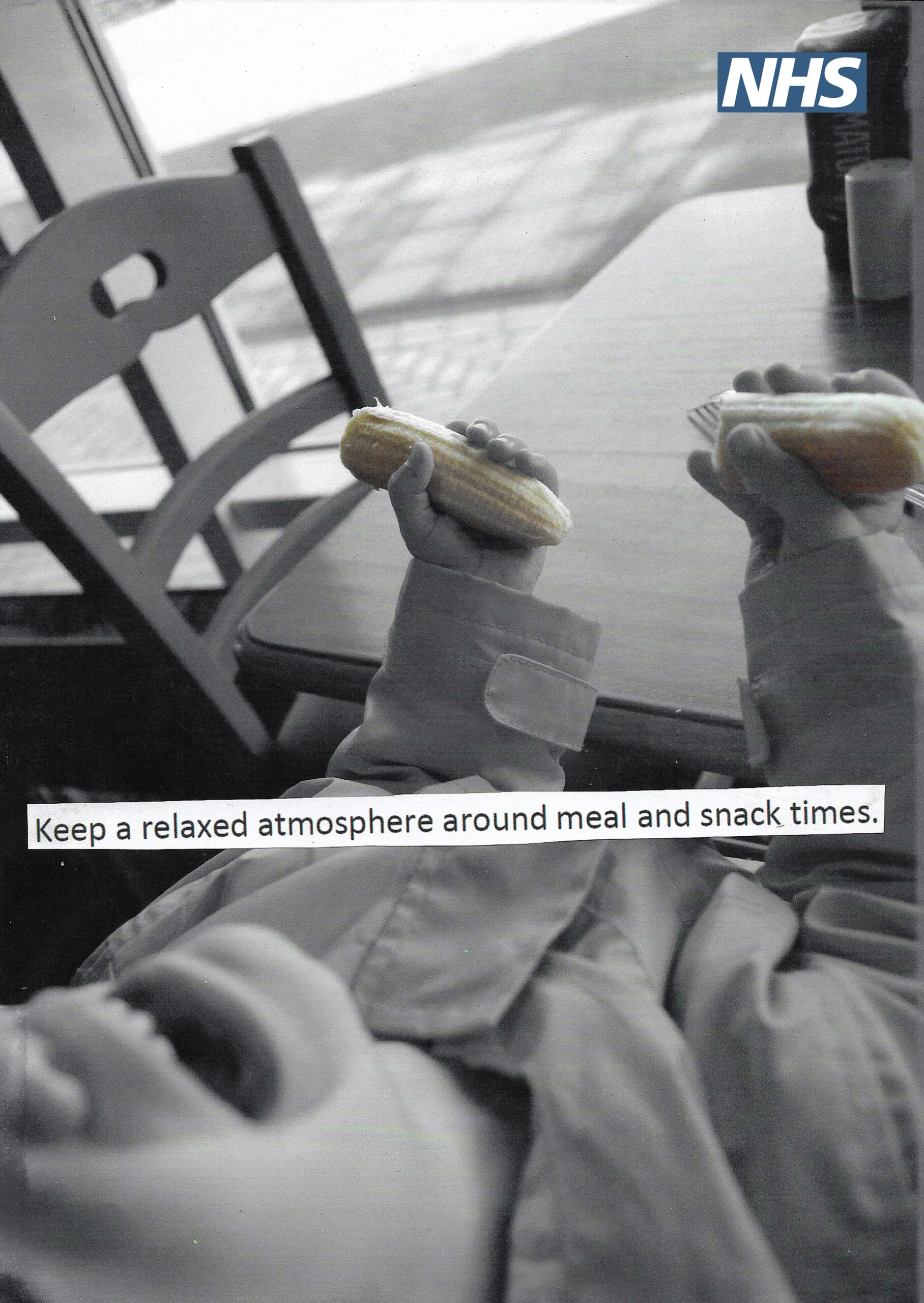
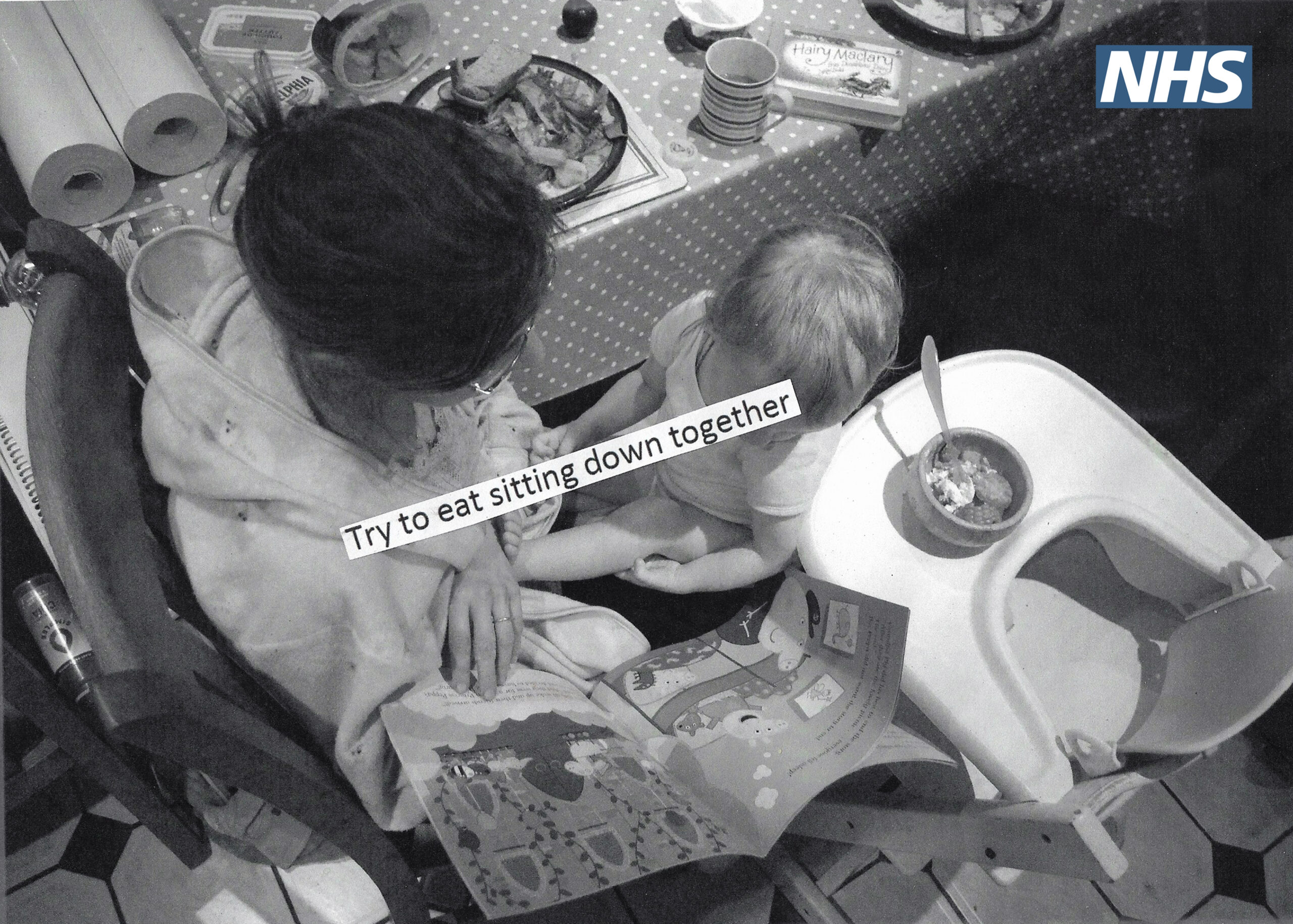
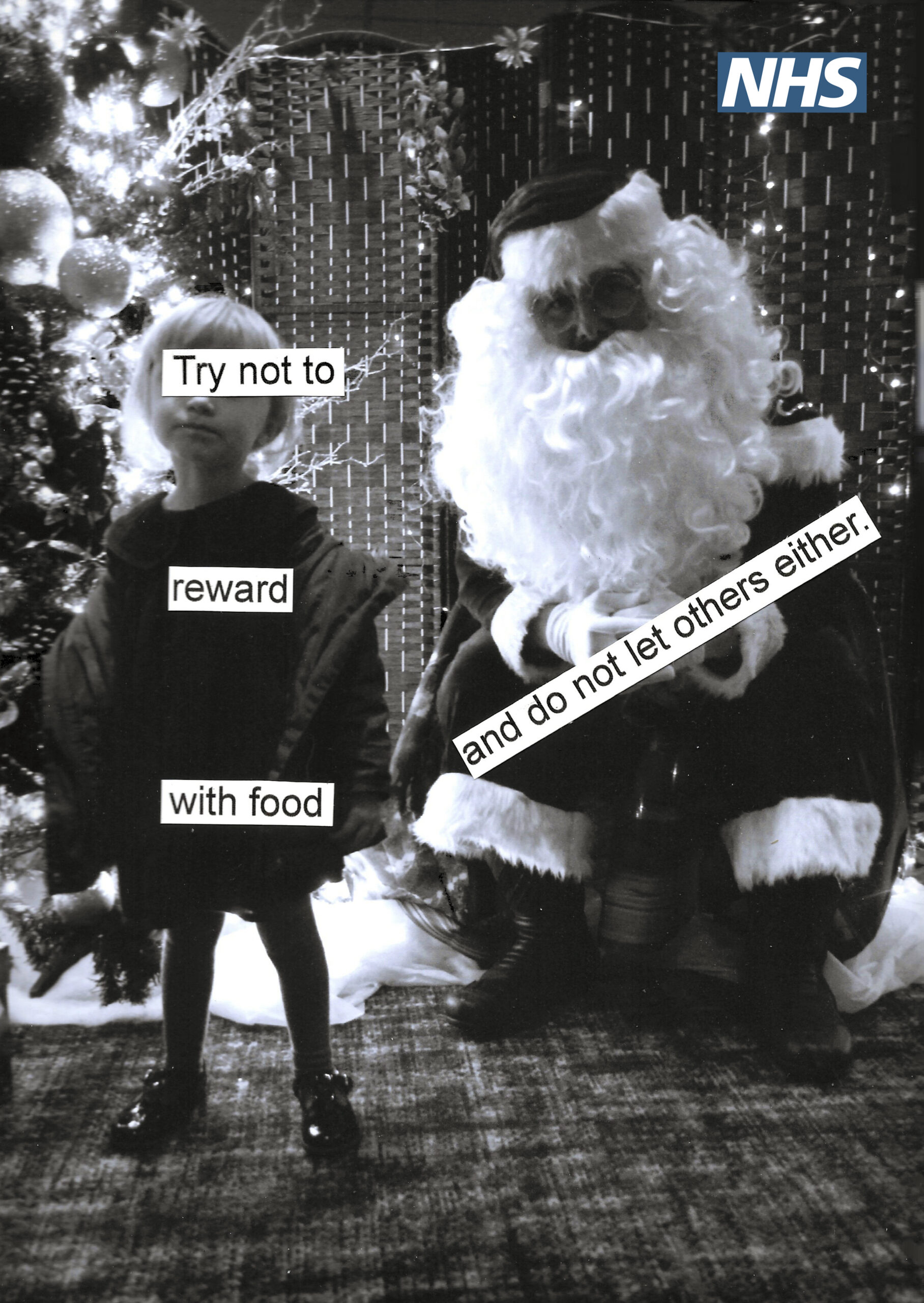
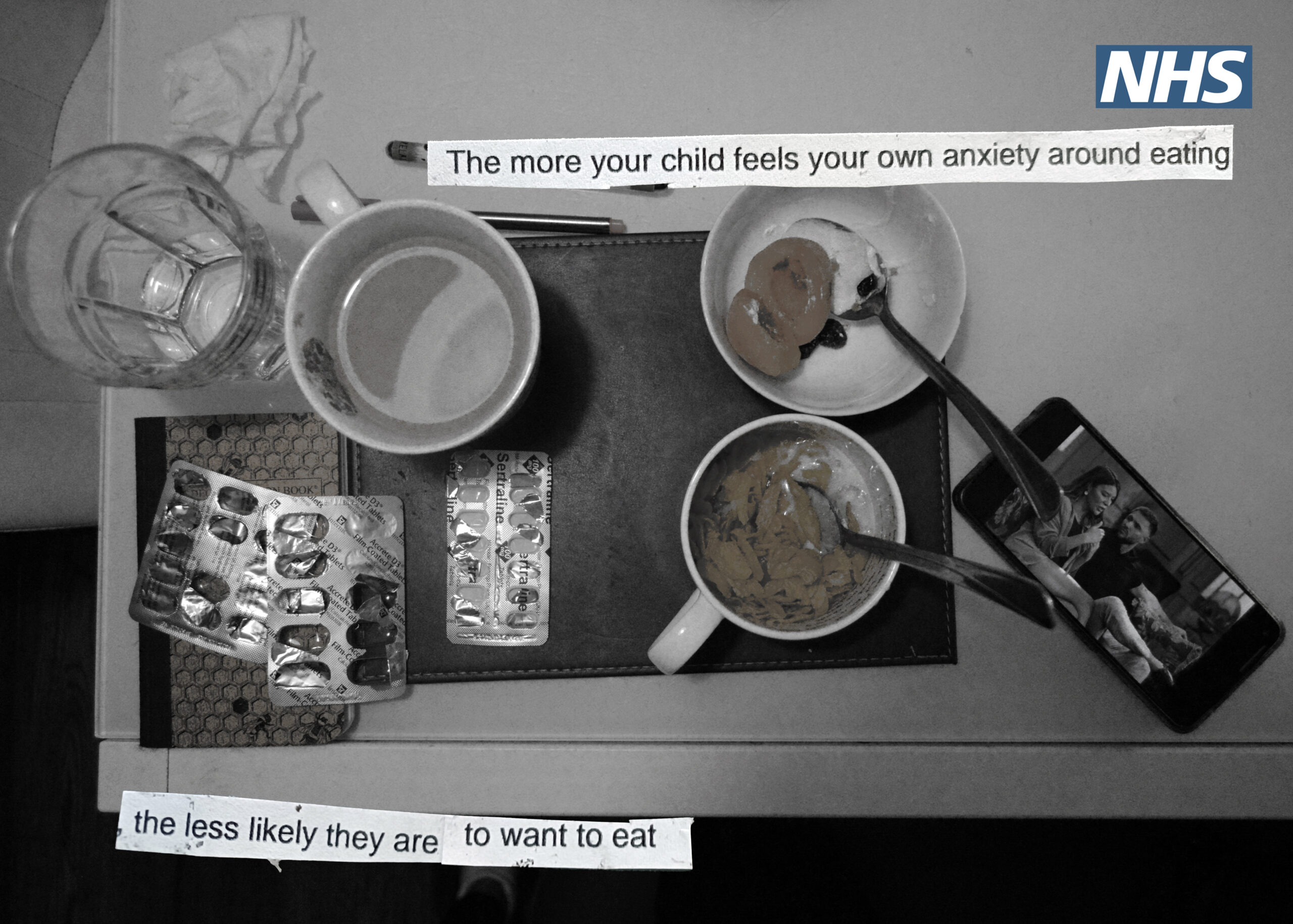
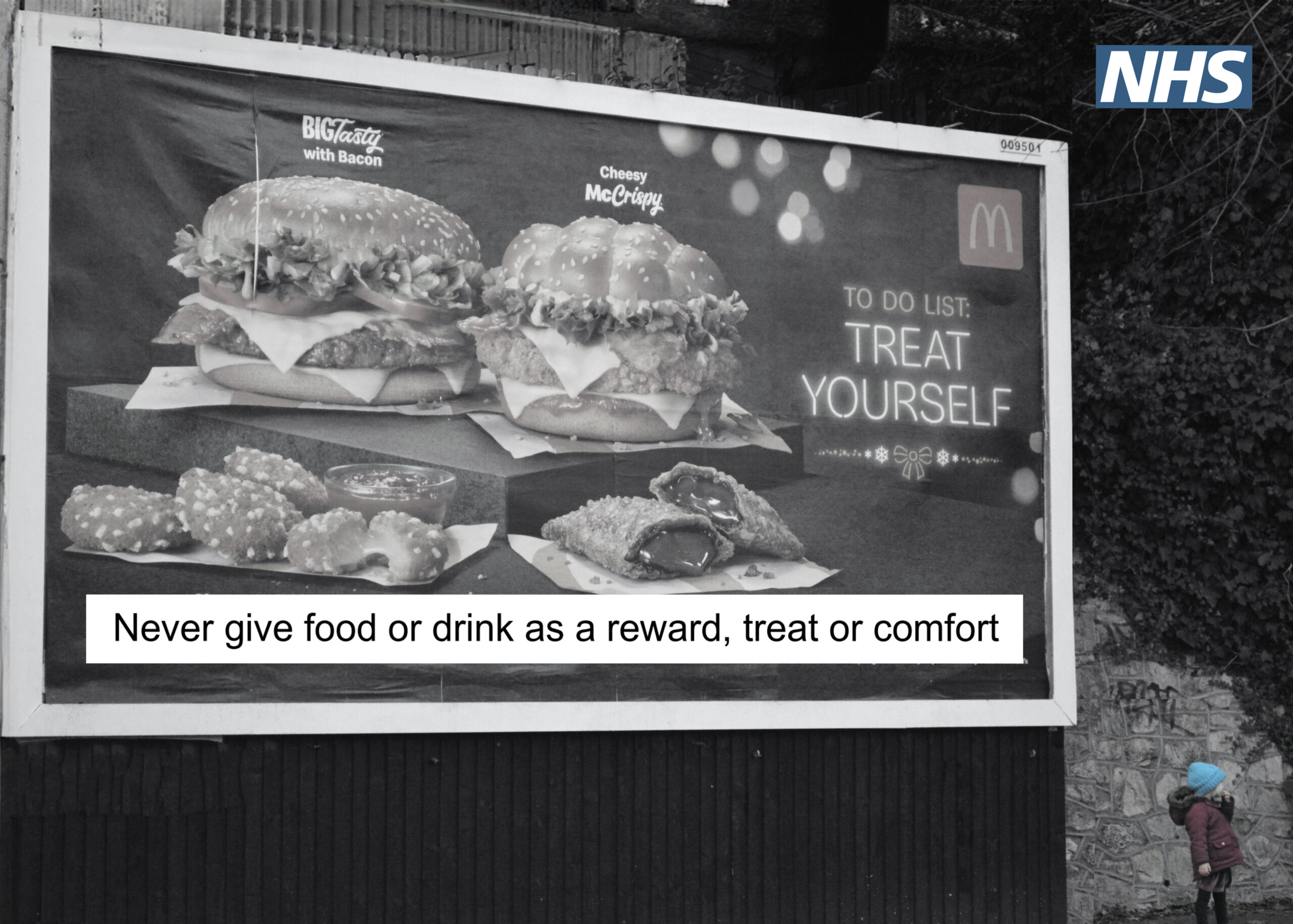
Balance is a series of 32 collages exploring my experience of parenting within a dense and often contradictory landscape of health advice and social expectation. Created as part of Treat-Yourself, the work reflects the particular pressures of caring for a child while living with a history of disordered eating.
Each collage juxtaposes documentary photographs from my family’s everyday life with published NHS guidance. It exposes the gap between recommendation and reality, and questions the cultural norms through which such guidance is interpreted and enacted.
As a parent with a history of disordered eating, I struggled to trust my own instincts and turned to official guidance for reassurance. When that guidance conflicted, with both everyday social norms and, at times, with itself, it left me even more confused.
As a result, I often felt caught in a bind: to disregard national health advice would be to the detriment of my child’s physical wellbeing, whilst enforcing would often mean singling her out, potentially to harming her mental wellbeing an relationship with food. Balance reflects this precarious position: walking a tightrope, with someone else’s life in your hands.
The works can be presented as stand-alone collages or used collectively as a discussion-based tool. Balance has been shown and presented in academic, medical, and public contexts, including conferences and research cafés, where it is used to prompt conversation around health messaging, parenting, and lived experience.